Fines and compliance for improper cleaning waste in SE11
If you have ever finished a big clean and then stared at the leftover wastewater, dirty cloths, filters, or chemical containers thinking, "Right... what now?", you are not alone. Fines and compliance for improper cleaning waste in SE11 can feel like a dry topic until it becomes your problem. Then it suddenly matters a lot. In a busy London postcode like SE11, the way cleaning waste is handled can affect property managers, tenants, landlords, tradespeople, and cleaning teams alike.
This guide breaks the subject down in plain English. You will learn what counts as improper cleaning waste, why compliance matters, what the likely risks are, and how to reduce the chance of penalties or complaints. There is also a practical step-by-step section, a comparison table, a checklist, and an FAQ for the questions people actually ask when they need clarity fast.
Table of Contents
- Why fines and compliance for improper cleaning waste in SE11 matters
- How fines and compliance for improper cleaning waste in SE11 works
- Key benefits and practical advantages
- Who this is for and when it makes sense
- Step-by-step guidance
- Expert tips for better results
- Common mistakes to avoid
- Tools, resources and recommendations
- Law, compliance, standards, or best practice
- Options, methods, or comparison table
- Case study or real-world example
- Practical checklist
- Conclusion
- Frequently asked questions
Why Fines and compliance for improper cleaning waste in SE11 Matters
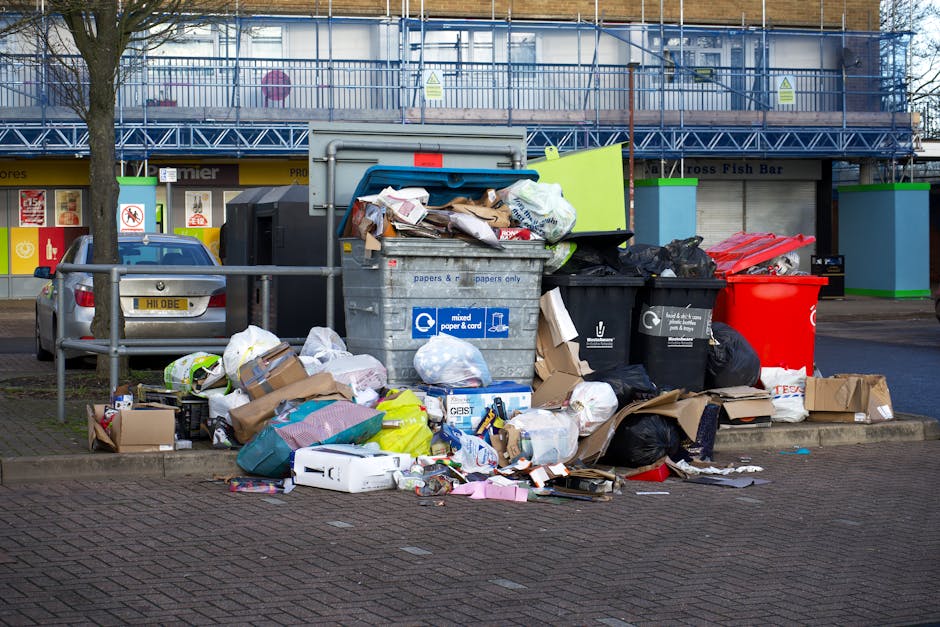
Cleaning waste looks harmless at first glance. A bucket of dirty water, a used pad, some packaging, maybe a bit of lint. But once waste leaves the room, the responsibility does not disappear with it. In SE11, as in the rest of London, improper disposal can create issues that range from nuisance complaints to formal enforcement action. The exact response depends on what happened, where it happened, and whether the waste was handled responsibly.
The main reason this matters is simple: cleaning waste can be more than "just rubbish". It may include wastewater contaminated with detergents, greasy residues, stained fibres, broken packaging, aerosol cans, or even material that needs special handling. If that waste ends up in a communal bin, a public drain, or a shared yard without proper care, somebody eventually notices. Usually it is the person who has to clean it up, and that is rarely a happy phone call.
There is also a reputational side. For landlords, letting agents, facilities teams, and businesses, careless waste handling can make a property look neglected. A bad smell in a bin store, a stained pavement, or overflow around communal areas can quickly become a problem for neighbours. To be fair, most people do not want drama over a mop bucket. Yet that is often how these things start.
If you want a broader picture of responsible service standards, it helps to look at how a company presents its health and safety policy and recycling and sustainability approach. Those pages show the kind of care that should also extend to waste handling, not just the visible cleaning itself.
Practical takeaway: improper cleaning waste is not only a cleanliness issue. In SE11, it can become a compliance issue, a neighbour issue, and sometimes a cost issue all at once.
How Fines and compliance for improper cleaning waste in SE11 Works
Compliance is basically the habit of doing the right thing in a way that can be explained, repeated, and defended if anyone asks questions later. With cleaning waste, that means knowing what type of waste you have, how to separate it, where it should go, and whether anything needs special treatment before it leaves the site.
In practical terms, the process usually follows a few stages:
- Identify the waste stream. Is it wastewater, general rubbish, packaging, reusable equipment, or something contaminated with chemicals?
- Separate it properly. Do not mix ordinary waste with potentially hazardous leftovers if you can avoid it.
- Contain it safely. Use suitable bags, sealed containers, labelled bottles, or covered bins where needed.
- Dispose through the correct route. That may mean a standard waste stream, trade waste collection, or another approved arrangement.
- Keep records where appropriate. For commercial settings, a simple record of what was removed and when can save a lot of headaches later.
For residential jobs, the main concern is usually avoiding nuisance and environmental mess. For commercial work, the expectations are often higher. If you are cleaning offices, shared buildings, or customer-facing premises, you may also need to think about how waste handling fits with wider site policies, building rules, and contractor controls.
There is no magic trick here. The "how it works" part is mostly discipline. A clean exit is as important as a clean finish. Sounds obvious, but people miss it all the time.
Key Benefits and Practical Advantages
Complying with waste rules is not only about avoiding trouble. It genuinely makes jobs run smoother. A well-managed waste process reduces spill risk, shortens site tidy-up time, and gives everyone more confidence that the work has been completed properly.
- Lower risk of fines or complaints. If waste is controlled from the start, there is less chance of somebody reporting it.
- Cleaner shared spaces. Hallways, bin stores, loading areas, and pavements stay in better condition.
- Better client confidence. Customers notice when the cleaner does not just tidy the carpet but also leaves the site in order.
- Safer handling. Some cleaning waste can be slippery, irritating, or simply unpleasant to handle. Good controls reduce that risk.
- Less rework. No one wants to return and deal with a leaking bag or a spilled bottle because disposal was rushed.
There is a subtle but important point here: compliance is often the invisible part of quality. Clients rarely praise you for correct waste handling. But they definitely notice when it goes wrong. The bin area smells, the bottle leaked, someone slips, and suddenly the whole job is remembered for the wrong reason.
For domestic upholstery or carpet jobs, the waste profile may be lighter. Still, even then, good practice matters. Services such as carpet cleaning, sofa cleaning, and upholstery cleaning can generate damp waste, removed fibres, and packaging that should be managed properly. For heavier contamination or pet-related work, the need for care rises again.
Who This Is For and When It Makes Sense
This topic is relevant to more people than you might expect. It is not just for waste contractors or compliance managers. If you commission, carry out, or oversee cleaning in SE11, you need at least a basic understanding of the rules and the risks.
- Homeowners and tenants arranging deep cleans who want to avoid mess in shared bins or communal areas.
- Landlords and letting agents managing end-of-tenancy or void-property cleans.
- Facilities managers responsible for offices, studios, clinics, or shared commercial spaces.
- Cleaning contractors who need a practical waste routine that is consistent on every job.
- Property managers handling multiple units where one poor disposal choice can affect everyone else.
It makes sense to pay closer attention when the clean produces more than light dust or a few wipes. For example, steam extraction, stain removal, pet odour work, or post-renovation cleaning may all create waste that needs separate handling. If you are dealing with specialist jobs such as steam carpet cleaning, stain removal, or pet stain odour removal, there is usually more residue, more moisture, and more reason to be methodical.
In short: if the waste leaves your immediate control, you should already know where it is going. That is the point where compliance stops being optional and starts being practical.
Step-by-Step Guidance
Here is a straightforward process you can use for most cleaning jobs in SE11. It is simple, but simple is good. Especially when you are on the second floor, the lift is slow, and someone is asking where to put the used pads.
1. Identify the waste before the job starts
Think ahead about what the clean is likely to generate. Dry debris, packaging, used cloths, wastewater, filters, disposable PPE, and chemical containers all need different handling. A five-minute check beforehand can prevent a messy finish.
2. Separate waste at the point of use
Do not let everything end up in one bag if it can be avoided. Separation is easier at source than after the fact. Keep clean packaging away from contaminated waste. Keep reusable equipment apart from single-use items.
3. Contain liquids securely
If a job creates wastewater or liquid residue, make sure the container is stable, sealed, and easy to transport without sloshing. Nobody wants a drip trail through a stairwell. That kind of thing tends to linger in memory.
4. Check the site rules
Some buildings have their own waste arrangements. Shared bin stores, loading bays, or managed premises may require waste to be removed at specific times or through specified routes. If you ignore that, even a small amount of waste can trigger complaints.
5. Dispose using the correct route
General waste should go where general waste belongs. Contaminated or potentially hazardous waste may need a different stream. If in doubt, pause and confirm. A delay is better than a penalty or a spill.
6. Document what happened
For business users, keep a simple note of the waste type, volume, and disposal route. Nothing dramatic. Just enough to show that the process was handled carefully. That habit can be useful if there is a dispute later.
7. Review the job afterwards
Ask the basic question: did anything leak, smell, stain, or need a second pass? If yes, adjust the process next time. A good waste routine improves fast once it is being reviewed honestly.
Expert Tips for Better Results
In practice, the best waste systems are the ones people can actually follow on a busy day. Fancy paperwork is no substitute for a process that works when the clock is ticking.
- Use a "clean exit" habit. Before leaving any property, look back at the route you took. Hallway clean? Bin lid shut? No drips? Good.
- Keep a dedicated waste kit. Bags, wipes, labels, sealable tubs, and absorbent material should live together. It sounds minor, but it saves time every week.
- Do not overfill bags or containers. Heavy or bulging waste is more likely to split and create a nuisance.
- Separate smelly waste immediately. Pet-related or moisture-heavy waste can become unpleasant quickly, especially in warm weather.
- Train people on what "counts" as waste. Some items look reusable until you actually inspect them. Other items should never be left lying around.
- Use service-specific judgement. A light domestic clean and a commercial deep clean are not the same thing. The waste plan should reflect that.
One small, slightly nerdy truth: the cleaner the waste routine, the calmer the rest of the day tends to feel. Fewer surprises. Fewer awkward apologies. Less faff.
If you are comparing service providers, look for signs that they think this way already. Pages like insurance and safety, terms and conditions, and about us can give useful signals about how seriously a company takes professional standards.
Common Mistakes to Avoid
A lot of waste issues happen because someone is in a hurry, not because they are careless by nature. That is worth saying. Still, repeated mistakes can become a pattern, and patterns are what lead to fines, warnings, or formal complaints.
- Pouring dirty water into an unsuitable drain. Even when it seems harmless, this can create blockages, staining, or nuisance issues.
- Mixing different waste types together. Once waste is mixed, it is harder to manage and easier to mishandle.
- Leaving waste in shared areas too long. In SE11, shared access spaces matter. A bag left overnight can be enough to trigger a complaint.
- Assuming small jobs do not need planning. Small waste volumes still cause problems if they are leaked, smeared, or abandoned.
- Not checking for wet residue. Damp packaging and textiles can drip long after the job has ended.
- Ignoring building-specific rules. A private residential block is not the same as an open commercial unit.
There is also a common misunderstanding around "it will be fine if no one sees it". That is not really a strategy. It is more of a hope, and hopes are not very useful when an enforcement notice or complaint lands.
Tools, Resources and Recommendations
You do not need a complicated setup to manage cleaning waste well. Most of the value comes from using the right basics consistently.
| Item | Why it helps | Best use |
|---|---|---|
| Sealable waste bags | Reduce leaks and odour | Used cloths, pads, small debris |
| Rigid containers | Better for liquids or fragile waste | Wastewater, bottles, small parts |
| Absorbent materials | Helps contain accidental spills | Transit and on-site protection |
| Labels or simple notes | Makes waste streams easier to identify | Commercial or multi-stage jobs |
| Gloves and PPE | Protects the person handling waste | Any contaminated or wet cleanup |
| Dedicated transport tray or tub | Limits movement and dripping | Carrying waste to exit points |
For longer-term sustainability, it is worth aligning waste handling with your broader service approach. A provider that already takes recycling and sustainability seriously is more likely to treat disposal as part of quality, not an afterthought.
If you are buying cleaning as a customer, a quick look at pricing and quotes can also be helpful. Not because the cheapest option is always wrong - it is not - but because detailed quotes sometimes reveal whether waste handling, call-out time, or additional care has been properly thought through.
Law, Compliance, Standards, or Best Practice
This is the section where people often want certainty, and honestly, certainty has limits. The exact legal outcome for improper cleaning waste depends on the circumstances, the waste type, and the local enforcement response. So the safest way to think about it is this: treat cleaning waste as something that must be controlled, not casually discarded.
In the UK, businesses and households are expected to dispose of waste responsibly and avoid causing pollution, nuisance, or unsafe conditions. For cleaning work in SE11, best practice usually means:
- keeping waste separated where practical
- preventing leaks and spills
- using suitable waste containers
- avoiding contamination of shared areas
- following site-specific disposal rules
- recording commercial waste handling where appropriate
For commercial operators, a decent internal process matters as much as the final disposal method. A company that takes compliance seriously should be able to explain how it handles waste in the field. That is part of professional service, not an extra.
And if you are unsure whether a particular residue, chemical container, or wastewater stream needs special handling, stop and check before moving it. A careful pause costs less than a mistake. Usually much less.
Options, Methods, or Comparison Table
Not every job needs the same disposal approach. The right method depends on the waste volume, the contamination level, and whether you are working in a private home or a managed building.
| Method | Best for | Pros | Watch-outs |
|---|---|---|---|
| Standard general waste route | Light, non-hazardous dry waste | Simple and efficient | Not suitable for liquids or contamination |
| Sealed liquid containment | Dirty water or rinse residue | Reduces spills and odour | Needs secure transport and correct final disposal |
| Separated waste streams | Commercial or multi-stage jobs | Cleaner audit trail | Requires discipline on site |
| Site-managed disposal | Buildings with formal bin rules | Works well in shared properties | Must follow the building's instructions exactly |
For most domestic cleaning jobs, a straightforward separation-and-containment approach is enough. For commercial settings, especially where there are multiple cleaners, occupants, or contractors, a more structured method is usually better. It is not glamorous, but it works.
Case Study or Real-World Example
A property manager in SE11 arranged a deep clean after refurbishment in a small mixed-use building. The job itself was fine. The issue came afterwards. Wet waste bags were left near the service door, a half-full bottle leaked into the corner, and a short trail of dirty water reached the pavement. Nothing catastrophic, but enough to create a complaint from another occupier by the next morning.
What went wrong? Mainly the exit routine. The team had cleaned well, but they had not separated the waste, checked the route out, or sealed the liquid container properly. The clean looked complete from inside the flat, yet the shared area told a different story.
After that, the process was changed. Waste bags were double-checked before leaving the site. Liquid waste was sealed in rigid containers. The team added a final "walk-back" review before loading the van. The next jobs were calmer, tidier, and a lot less awkward. Not perfect, just much better.
That sort of improvement is common. Once the waste process is tightened up, the whole job feels more professional. The customer notices. The neighbours notice. Even the person doing the work notices. Funny how that happens.
Practical Checklist
Use this checklist before you finish a cleaning job in SE11:
- Have I identified all waste types created by the job?
- Are wet waste and dry waste separated where needed?
- Are containers sealed and stable?
- Is anything likely to leak during transport?
- Have I checked building or site disposal rules?
- Are shared areas left clean and dry?
- Have I removed all packaging, cloths, and disposable materials?
- Is there a record of waste handling for commercial work?
- Have I confirmed the final disposal route?
- Would I be comfortable if someone inspected this process tomorrow?
If you can answer yes to those points, you are already ahead of a lot of rushed jobs.
Conclusion
Fines and compliance for improper cleaning waste in SE11 are not just a technical detail. They sit right at the point where good service becomes responsible service. The difference between a smooth job and a messy complaint is often a simple routine: identify the waste, contain it properly, follow the site rules, and leave no trace behind except a better-cleaned space.
That is the real standard to aim for. Not perfection, just care. And in a busy part of London where people share entrances, bins, and pavements, care goes a long way.
If you are arranging a clean and want it handled properly from start to finish, it helps to work with a team that understands the full process, not just the visible part of it. Get a free quote today and see how much you can save.
When the waste is handled well, the whole job feels easier. Cleaner. Quieter. A bit less stressful, which is no bad thing.
Frequently Asked Questions
What counts as improper cleaning waste in SE11?
Improper cleaning waste usually means any waste from cleaning that is dumped, left, mixed, or disposed of in a way that causes contamination, nuisance, or a breach of site rules. That can include dirty water, contaminated cloths, leaked bottles, or waste left in shared areas.
Can cleaning wastewater be poured down a drain?
Not always. It depends on the waste, the chemicals involved, and the site arrangement. Some wastewater is fine if managed carefully, but contaminated or chemical-heavy residue may need a different approach. If there is any doubt, check before disposing.
Who is responsible if cleaning waste is left badly?
Usually the person or business carrying out the cleaning is responsible for managing its waste properly. In managed buildings, the occupier or contractor may also have responsibilities depending on the arrangement and site rules.
Do small domestic cleaning jobs really need waste planning?
Yes, although the plan can be simple. Even a small job can create leaks, odours, or complaints if waste is not contained. A few extra minutes of care can prevent a bigger issue later.
Are fines guaranteed for improper cleaning waste?
No, fines are not automatic. The response depends on the circumstances and the seriousness of the problem. But poor waste handling can lead to warnings, complaints, clean-up costs, or enforcement action, so it is wise not to take chances.
What is the safest way to handle dirty cleaning water?
Use a secure, stable container and make sure it cannot spill during transport. Keep it separate from dry waste and avoid carrying it through shared spaces without protection. If the liquid is contaminated, treat it more cautiously.
How can landlords reduce waste-related complaints?
Clear site rules help, as does using cleaners who understand shared-access properties. Prompt removal of waste, clean exit routes, and good communication with residents all make a difference.
Does commercial cleaning need more documentation than domestic cleaning?
Usually yes. Commercial jobs often benefit from a simple record of waste streams, disposal method, and completion notes. It does not need to be complicated, but it should be traceable.
What should I look for in a cleaner if compliance matters to me?
Look for clear policies, sensible safety practices, transparent pricing, and a professional approach to waste and site tidiness. Pages such as insurance and safety and terms and conditions can help you judge how seriously a business treats responsibility.
How do I know if a waste issue is serious enough to act on?
If waste is leaking, smelling, staining, attracting attention, or affecting shared areas, act quickly. In practice, that is usually enough to justify immediate cleanup and review of the process.
Can good waste handling improve the quality of a cleaning job?
Absolutely. Clean disposal is part of a polished finish. It keeps the site tidy, reduces risk, and makes the whole service feel more reliable. The job is not really finished until the waste is dealt with properly.
Where can I learn more about a provider's standards before booking?
Start with practical pages like about us, health and safety policy, and recycling and sustainability. Those pages usually show whether the business thinks beyond the obvious parts of the job.